What is IT Asset Disposition (ITAD): Things you should know
- Jun 24, 2025
We live in a world where technology changes at lightning speed, companies regularly refresh their equipment to keep up laptops, desktops, servers, smartphones, networking equipment, storage, and more. But letting old IT collect dust isn’t inefficiency it’s a lost opportunity and a quiet threat.
That’s where IT Asset Disposition (ITAD) comes into play. It’s not just about getting rid of it it’s an end-to-end lifecycle process for retiring technology in a manner that protects data, recovers value, safeguards the environment, and keeps them compliant.
- What is ITAD?
ITAD refers to IT Asset Disposition, a formal process that assists organizations:
- Securely erase or destroy data
- Renovate and resell reusable devices
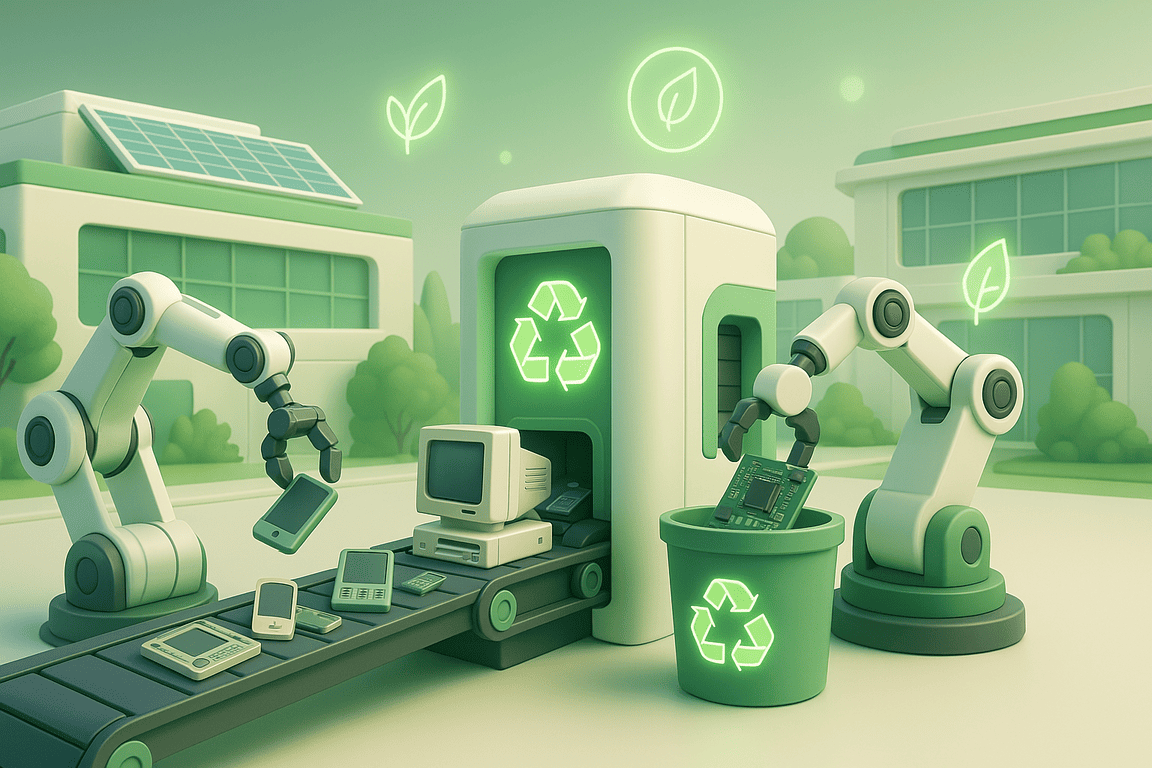
- Eco-responsibly recycle non-working equipment
- Track and document each step with clarity
- Why ITAD Matters
- Data Security
Simply “deleting” files or pressing “format” does not guarantee data disappearance. Even after deletion, remnants could still be there and ready for recovery. Without proper ITAD, companies risk data breaches, identity theft, and enormous penalties.
- Regulatory Compliance
Privacy and environmental regulations are becoming more stringent globally. GDPR, CCPA, HIPAA, and India’s DPDP Act regulate data processing, and e-waste legislationsuch as the Basel Convention and multiple state mandates requires responsible waste management. ITAD supplies the certified processes, documents, and certificates necessary to demonstrate compliance.
- Sustainability & Circular Economy
E-waste was 59.1 million metric tons in the year of 2022 globally, but recyclable material accounted for only 17% of that. ITAD facilitates the recycling of valuable metals such as gold and copper and facilitates refurbishment and reuse of devices minimizing landfill burden and carbon emissions. It’s a foundation for a circular economy.
- Financial Gain
ITAD isn’t only cost avoidance it can be a revenue source. Used devices can be resold or donated (with possible tax savings), and recycled materials pay out. Recycled devices tend to maintain 20–30% of their initial value; certain high-volume resales have recouped hundreds of thousands of dollars.
- Risk & Reputation Management
Secure disposal of IT builds business reputation. It demonstrates to clients, partners, and investors that your business cares about data privacy and the environment—increasing confidence and brand integrity.
- Top Benefits of ITAD
- Data Protection & Chain-of-Custody
Data wiping or physical destruction certifications protect information. Chain-of-custody tracking prevents assets from ever going untracked, reducing leaks and internal theft.
- Compliance & Documentation
ITAD systems issue Certificates of Data Destruction, recycling receipts, and environmental reports evidence required during audits or regulatory examinations.
- Environmental Responsibility
Recycling raw materials and refurbishing equipment, ITAD supports businesses in minimizing their footprint, preserving resources, and maintaining alignment with ESG/CSR objectives.
- Cost Efficiency
Reduced storage charges, less administrative burden, and possible recovery of revenue all translate to reduced net costs of IT cycles.
- Inventory Optimization
Managed by in-depth monitoring, ITAD enables companies to grasp asset lifespan, depreciation, and replacement cycles resulting in improved budgeting and planning.
- Brand Trust & Stakeholder Assurance
Proper disposal of IT assets reflects corporate ethics resulting in improved customer, talent, and investor relations.
- ITAD Lifecycle: A Step-by-Step Overview
- Assessment & Logistics
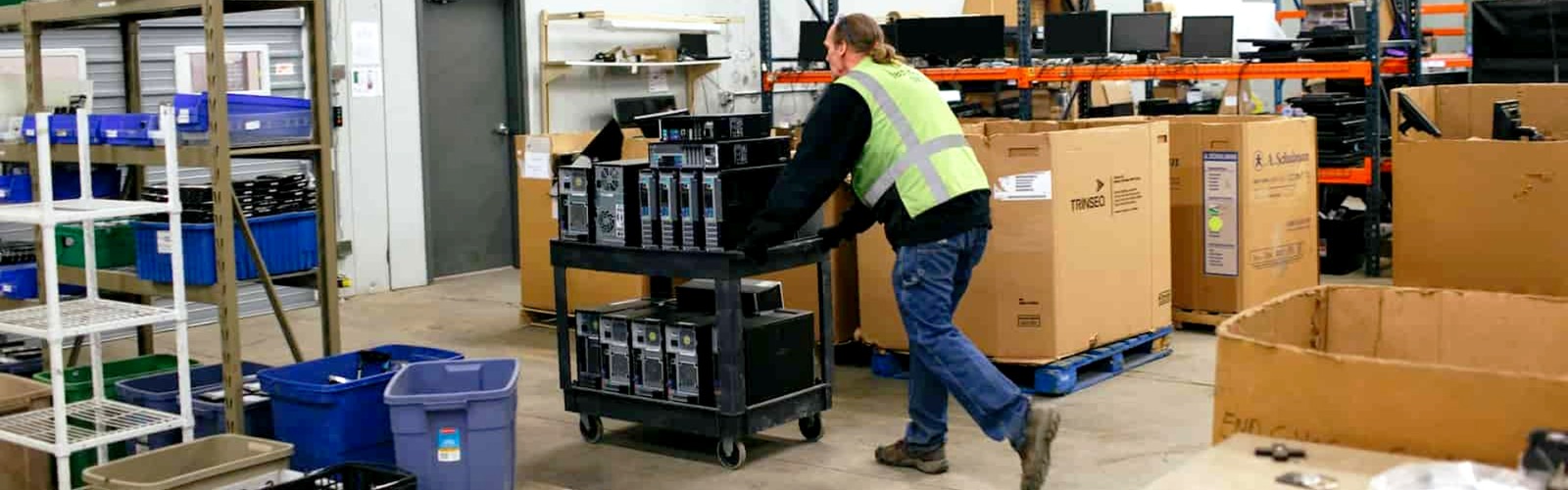
Companies take stock of devices for disposal desktops, laptops, servers, phones, batteries, cables, etc. and arrange safe transport.
- Data Sanitization
Based on sensitivity levels, data is wiped with NIST or DoD erasure standards, or hardware physically destroyed (shredding, degaussing). Certificates are granted.
- Evaluation
Assets are evaluated to establish whether they can be repaired, sold, or recycled underpinning circular economy concepts.
- Refurbishment & Remarketing
Working equipment is restored and resold securely or donated to be eligible for tax benefits.
- Recycling & Material Recovery
Non-functional technology is taken apart; usable materials are removed and shipped off for environmentally sound processing at authorized facilities.
- Reporting & Certification
Detailed reports feature timestamps, serial numbers, data destruction certificates, recycling reports, and financial overviews.
- Emerging Trends in ITAD
- AI & Automation
AI-based systems are enhancing asset tracking, forecasting best retirement times, and confirming data destruction with high levels of accuracy.
- Blockchain for Traceability
Blockchain is employed in pilot projects to make immutable records of asset movement enhancing transparency and audit assurance.
- Carbon Credits from IT Reuse
Certain firms have capitalized on sustainability initiatives by creating carbon credits when refurbishing and reselling assets.
- Expanded Regulatory Landscape
From expanded product liability legislation to tougher export control, companies have to remain nimble. ITAD vendors increasingly include global e-waste compliance as part of their offerings.
- ITAD Across Industries: Real-World Scenarios
- Enterprises & Corporates: Refresh cycles have hundreds or thousands of devices needing secure destruction and asset remarketing.
- IT Leasing & Leasing Returns: After a lease, equipment needs to be wiped, refurbished, and resold or recycled.
- Healthcare & Finance: More stringent security requirements (HIPAA, PCI-DSS) mean that serious ITAD with certified data handling is required.
- Education: Refurbishing allows schools access to low-cost tech and aids public transparency efforts.
- Data Centers& Cloud Providers: Spec heavy servers get securely decommissioned and either sold off or taken apart. Chain-of-custody is paramount.
Conclusion
IT Asset Disposition is much more than disposal it’s a strategic discipline that, Safeguards sensitive information, recovers financial and environmental value, minimizes risk and builds compliance and adds brand integrity and ESG performance.
With tech refresh cycles quickening, embracing ITAD is no longer a choice it’s a necessity for today’s responsible business practices. From data centers to corporate headquarters and educational campuses, the right discipline keeps assets environmentally safe, socially responsible, and financially intelligent.