E-Waste Management in India 2026: Your Ultimate Recycling Handbook
- Feb 12, 2026
India's digital revolution has transformed how we live, work, and communicate. With over 600 million smartphone users and rapid technological adoption, we've become one of the world's largest consumers of electronics. However, this digital growth comes with a hidden cost: electronic waste, or e-waste.
In 2026, India generates approximately 3.2 million tons of e-waste annually, yet only 10% is recycled through authorized channels. The remaining 90% ends up in landfills or informal recycling sectors, where toxic materials leach into soil and water, causing severe environmental and health hazards.
This comprehensive guide will walk you through everything you need to know about e-waste recycling in India, empowering you to make responsible choices with your old electronics.
What is E-Waste?
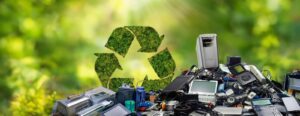
E-waste, or electronic waste, refers to any discarded electrical or electronic device. This includes:
- Communication devices: Smartphones, tablets, landline phones
- Computing equipment: Laptops, desktops, keyboards, mice, printers
- Display devices: TVs, monitors, LED screens
- Small appliances: Toasters, kettles, electric irons, hair dryers
- Accessories: Chargers, cables, headphones, power banks, batteries
Essentially, if it runs on electricity or batteries and you no longer need it, it qualifies as e-waste.
Why E-Waste Recycling Matters
Environmental Protection
A single smartphone contains hazardous materials including mercury, lead, cadmium, and arsenic. When improperly disposed of in landfills, these toxins leach into groundwater and soil, contaminating our environment for generations.
Consider this: one phone battery can contaminate 600,000 liters of water. With millions of devices discarded annually, the environmental impact is staggering.
Resource Recovery
Your old electronics aren't worthless—they're treasure troves of valuable materials. E-waste contains precious metals like gold, silver, copper, and palladium. In fact, one ton of e-waste contains more gold than 17 tons of gold ore.
Recycling one million phones can recover:
- 35,000 pounds of copper
- 772 pounds of silver
- 75 pounds of gold
- 33 pounds of palladium
Energy Conservation
Manufacturing electronics from recycled materials requires 95% less energy than producing them from virgin raw materials. Recycling one million laptops saves enough energy to power 3,500 homes for an entire year.
Health Safety
Informal e-waste recycling—where workers manually dismantle devices without safety equipment—exposes people to toxic fumes and hazardous materials. Supporting authorized recycling channels protects these vulnerable workers.
Understanding India's E-Waste Management Rules
India's E-Waste (Management) Rules, 2016 established the framework for responsible e-waste handling. Key provisions include:
Extended Producer Responsibility (EPR)
Manufacturers and importers of electronic goods must collect and recycle their products at end-of-life. Major brands like Apple, Samsung, and Dell operate collection programs under EPR obligations.
Consumer Responsibility
While producers bear primary responsibility, consumers must also:
- Avoid disposing of e-waste in regular household trash
- Return old devices to authorized collection centers
- Use manufacturer take-back programs when available
Authorized Recyclers
Only facilities with proper authorization from State Pollution Control Boards can legally e-waste recycling in India. These facilities must follow strict environmental and safety protocols.
How to Prepare Your Devices for Recycling
Step 1: Back Up Your Data
Before recycling any device, back up important files, photos, and documents to cloud storage or an external drive. This ensures you don't lose precious memories or critical information.
Step 2: Sign Out of All Accounts
Log out of:
- Email accounts
- Social media profiles
- Banking apps
- Cloud storage services
- Streaming platforms
This prevents unauthorized access after you've recycled the device.
Step 3: Remove SIM Cards and Memory Cards
Extract your SIM card, SD card, or any other removable storage. These often contain personal information and can be reused.
Step 4: Factory Reset
Perform a factory reset to erase all data from the device. This restores it to its original settings and removes your personal information.
Important: Factory reset alone isn't enough for complete data security.
Step 5: Use Data Wiping Software
For added security, especially for computers and phones containing sensitive information, use certified data wiping software. These programs overwrite your data multiple times, making it virtually impossible to recover.
Step 6: Verify with Certified Recyclers
Choose recyclers who provide certificates of data destruction. Reputable services like PlanetReboot offer guaranteed data security protocols compliant with IT Act regulations.
Where to Recycle E-Waste in India
Authorized Collection Centers
Government-approved collection centers operate in major cities across India. These facilities accept various types of e-waste and ensure proper recycling through authorized channels.
Manufacturer Take-Back Programs
Many electronics brands offer free take-back services:
- Apple: Trade-in and recycling programs at Apple Stores
- Samsung: E-waste collection drives and exchange offers
- Dell: Mail-in and drop-off recycling services
- HP: Planet Partners recycling program
E-Waste Recycling Companies
Professional e-waste management companies like PlanetReboot offer:
- Free doorstep pickup for bulk and individual items
- Certified data destruction with compliance certificates
- Transparent recycling processes with material recovery reports
- Corporate solutions for businesses managing IT asset disposal
E-Waste Collection Drives
Municipal corporations and NGOs regularly organize e-waste collection drives in residential areas, offices, and educational institutions. Stay informed about local initiatives through community notices.
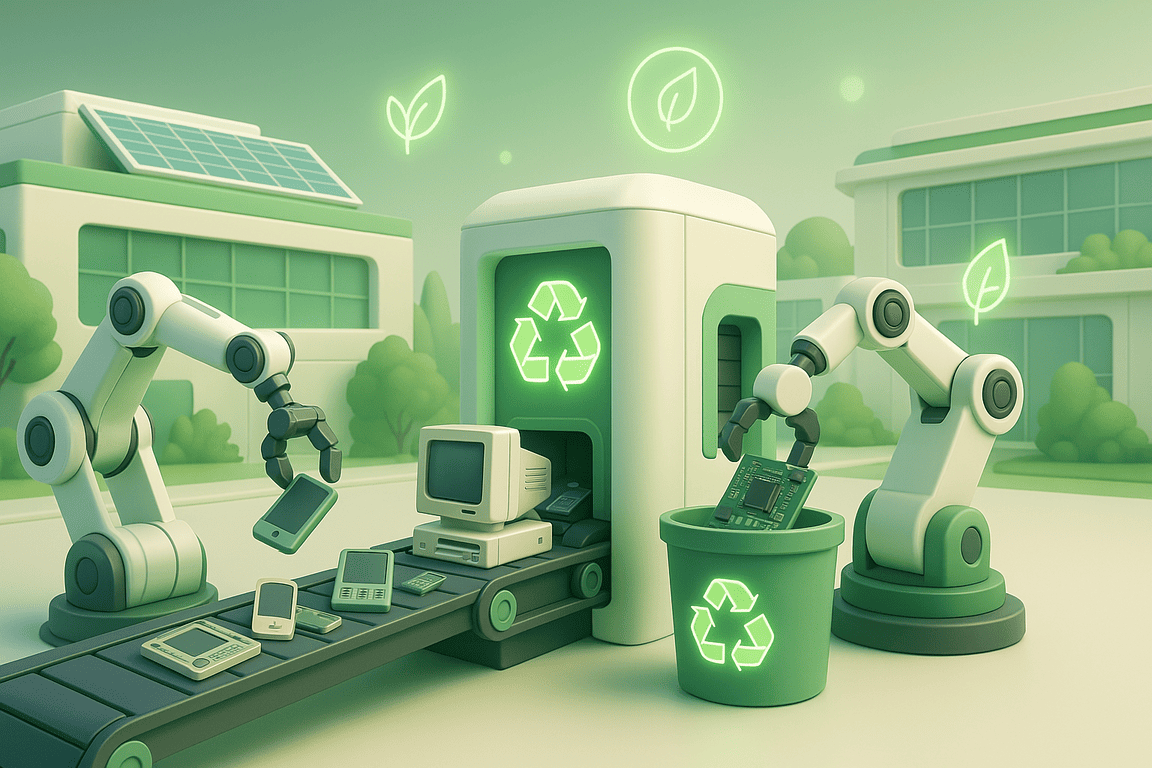
The E-Waste Recycling Process
Understanding what happens to your device after recycling builds confidence in the process:
- Collection and Transportation
Devices are collected from various sources and transported to authorized recycling facilities in secure vehicles.
- Sorting and Categorization
Items are sorted by type (phones, laptops, cables, etc.) and condition. Devices that can be refurbished are separated for potential reuse.
- Data Destruction
All storage devices undergo certified data destruction processes, including degaussing (magnetic erasure) and physical shredding of hard drives.
- Manual Dismantling
Trained workers carefully dismantle devices to separate components: circuit boards, batteries, screens, casings, and cables.
- Material Separation
Advanced machinery separates materials:
- Metals: Gold, silver, copper, aluminum extracted through chemical processes
- Plastics: Sorted by type and sent for recycling
- Glass: Cleaned and recycled
- Hazardous materials: Batteries and toxic components handled separately
- Proper Disposal
Materials that cannot be recycled are disposed of according to environmental regulations, preventing soil and water contamination.
- Material Recovery
Recovered materials are processed and sold to manufacturers for use in new products, completing the circular economy loop.
Corporate E-Waste Management
Businesses face unique e-waste challenges due to:
- Large volumes of outdated equipment
- Strict data security requirements
- Regulatory compliance obligations
- IT asset lifecycle management
Best Practices for Businesses
Conduct regular IT audits: Track all electronic assets and plan for end-of-life disposal.
Develop a recycling policy: Establish clear procedures for retiring and recycling old equipment.
Partner with certified recyclers: Work with authorized facilities that provide compliance certificates and detailed recycling reports.
Train employees: Educate staff about proper e-waste handling and company recycling procedures.
Implement ITAD services: IT Asset Disposition (ITAD) services ensure secure data destruction and maximum value recovery from retired equipment.
Common E-Waste Recycling Mistakes to Avoid
- Throwing Electronics in Regular Trash
This is illegal in many areas and causes serious environmental harm. Always use designated e-waste recycling in India.
- Selling to Unverified Buyers
Informal recyclers (kabadiwalas) may not follow safe recycling practices and cannot guarantee data security.
- Hoarding Old Devices
That drawer full of old phones and chargers? It's preventing valuable materials from being recovered and reused.
- Incomplete Data Deletion
Selling or recycling devices without proper data wiping exposes you to identity theft and privacy violations.
- Mixing E-Waste with Other Waste
Batteries, in particular, should never be mixed with regular trash due to fire and contamination risks.
The Future of E-Waste in India
As technology advances and consumer electronics become more affordable, India's e-waste generation is projected to double by 2030. However, the landscape is changing:
Emerging Trends
- Urban mining: Extracting valuable metals from e-waste becoming economically viable
- Right to repair movement: Extending device lifespans through repairability
- Deposit-return schemes: Incentivizing consumers to return old devices
- Blockchain tracking: Ensuring transparency in the e-waste supply chain
Conclusion
E-waste recycling in india isn't just about disposing of old gadgets—it's about protecting our environment, conserving resources, and building a sustainable future.
Start your e-waste recycling journey now:
- Identify old electronics in your home or office
- Back up important data and perform security steps
- Locate your nearest authorized collection center or schedule a pickup with PlanetReboot
- Spread awareness among family, friends, and colleagues
- Support brands with strong take-back programs
Every device recycled is a step toward a cleaner, greener India. The question isn't whether to recycle your e-waste—it's when you'll start.
Ready to make a difference? Contact Planet Reboot today for free e-waste pickup and responsible recycling. Together, we can reboot our planet, one device at a time